Biodiversity & nature impact
Biodiversity and nature impact
Biodiversity loss is no longer just an environmental issue; it’s a material business risk. With six out of nine planetary boundaries already breached and ecosystems under extreme pressure, the consequences for companies are real: disrupted supply chains, higher operating costs, increased regulatory scrutiny, and declining asset values. Over half of global GDP depends on healthy ecosystems – yet most companies still lack visibility into how their operations impact or depend on nature.
We help businesses assess and act on their biodiversity footprint and dependencies
We do this while aligning with leading frameworks while unlocking tangible business benefits. This includes building more resilient value chains, reducing operational risks, and supporting CSRD-aligned reporting on material environmental topics.
Impact assessment
We conduct value chain assessments to identify where operations are putting pressure on nature. Using frameworks such as Science Based Targets for Nature (SBTN) and Taskforce on Nature-related Financial Disclosures (TNFD), we map critical impact hotspots and quantify pressures using advanced Life Cycle Impact Assessment (LCIA) methods. This creates a clear baseline and a foundation for setting targets, prioritising action, and strengthening nature-related decision-making across the organisation.
Dependency assessment
We evaluate how business operations depend on critical ecosystem services, such as water availability, pollination, or soil health, and what that means for production and supply chain risk. Our work goes beyond identifying risks: we explore how rethinking sourcing, production models, or supply structures can both mitigate vulnerabilities and create new opportunities for growth and innovation, such as new products, services and business models to unlock new markets.
Nature biodiversity strategy
We translate impact and dependency insights into a targeted biodiversity strategy – with measurable ambitions, clear KPIs, and embedded governance. We align these efforts with existing sustainability strategies (such as climate targets), identifying synergies and ensuring a cohesive approach. The result is an integrated strategy that drives nature-positive action while creating long-term business value.
Our featured cases in biodiversity & nature impact
- Navigare Capitalabout ?overlay=navigare-capital
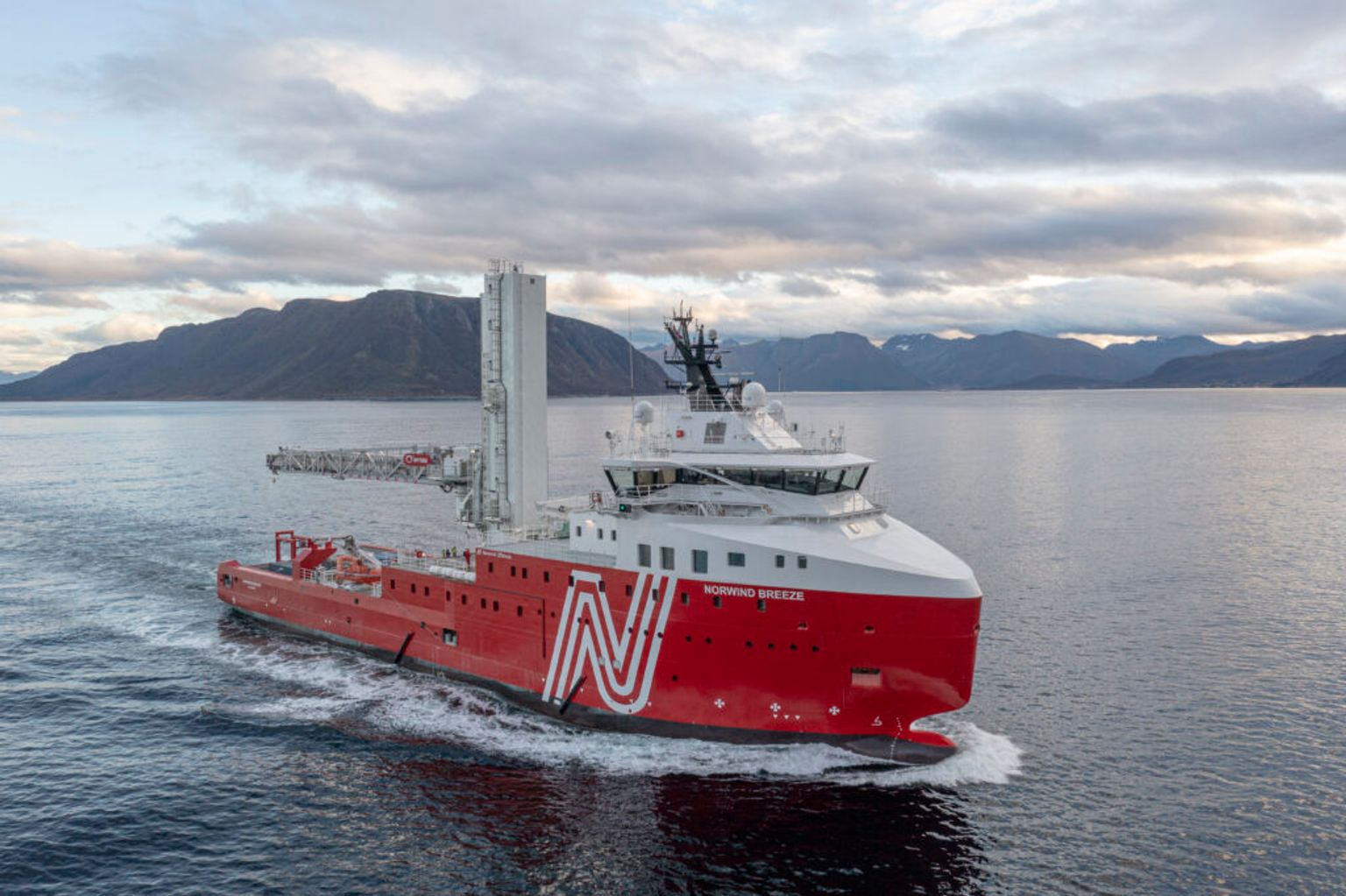



Navigare Capital
Sustainability strategy and execution for fund manager of maritime assets
- Biodiversity & nature impactabout /services/biodiversity-and-nature-impactBiodiversity & nature impact
- Decarbonisation & transitionabout /services/decarbonisation-and-transitionDecarbonisation & transition
- Summa Equity about ?overlay=summa-equity
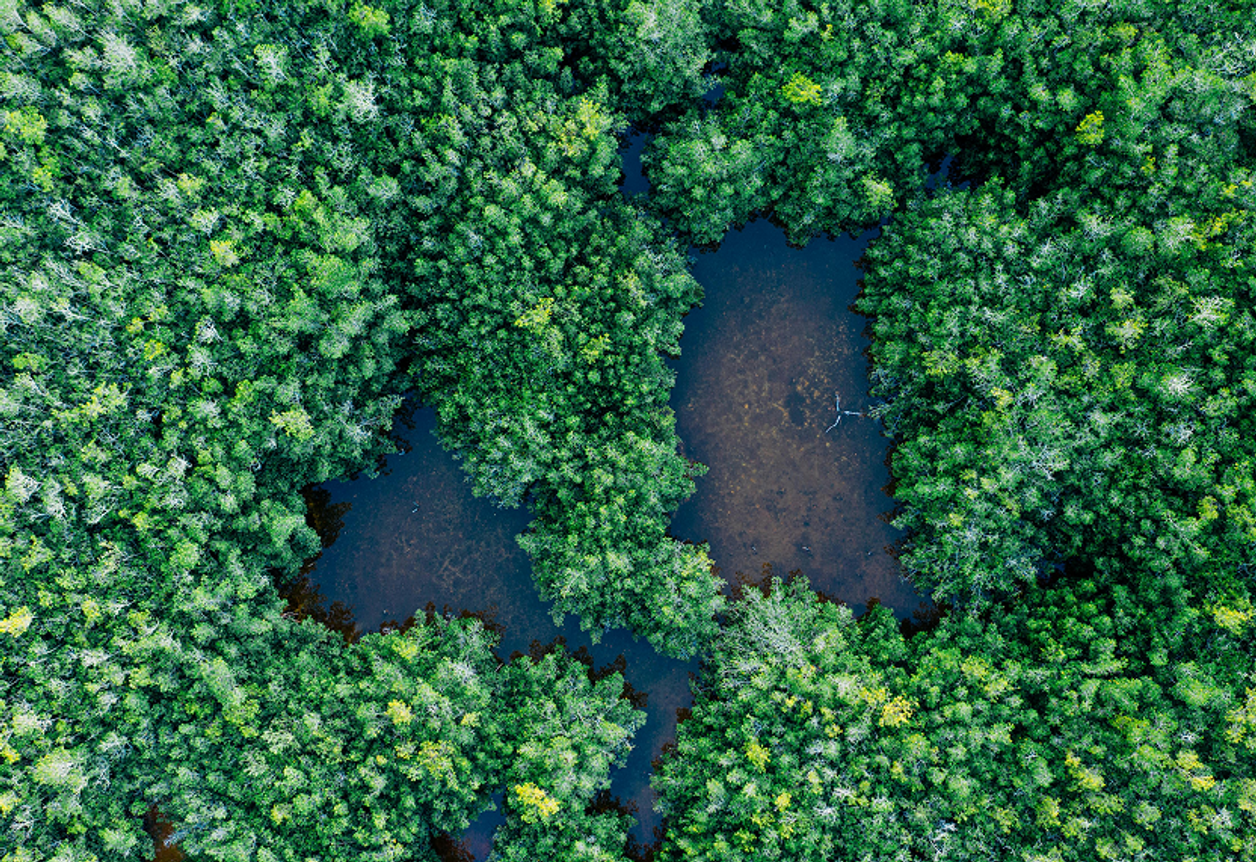



Summa Equity
Establishing the foundation for Biodiversity & Nature work across investment portfolio for impact fund
- Private equity servicesabout /services/private-equity-servicesPrivate equity services
- Biodiversity & nature impactabout /services/biodiversity-and-nature-impactBiodiversity & nature impact
“We turn nature and biodiversity from a blind spot into a strategic priority, helping companies understand their impacts and dependencies, mitigate risk, and unlock long-term value by aligning business with the planet’s boundaries.”
Explore our full range of services supporting every step of the sustainability journey
- Private equity and investors
- Strategy and value creation
- Reporting and regulation
- Nature and resources
- Climate
We support investors across the full investment cycle, from fund strategy and impact priorities to Due Diligence, ownership and exit. Our work helps embed sustainability and impact throughout, unlocking long-term value and stronger outcomes.
- Sustainable fundsabout /services/sustainable-fundsSustainable funds
- Private equity servicesabout /services/private-equity-servicesPrivate equity services









Explore our full range of services supporting every step of the sustainability journey
We support investors across the full investment cycle, from fund strategy and impact priorities to Due Diligence, ownership and exit. Our work helps embed sustainability and impact throughout, unlocking long-term value and stronger outcomes.
- Sustainable fundsabout /services/sustainable-fundsSustainable funds
- Private equity servicesabout /services/private-equity-servicesPrivate equity services
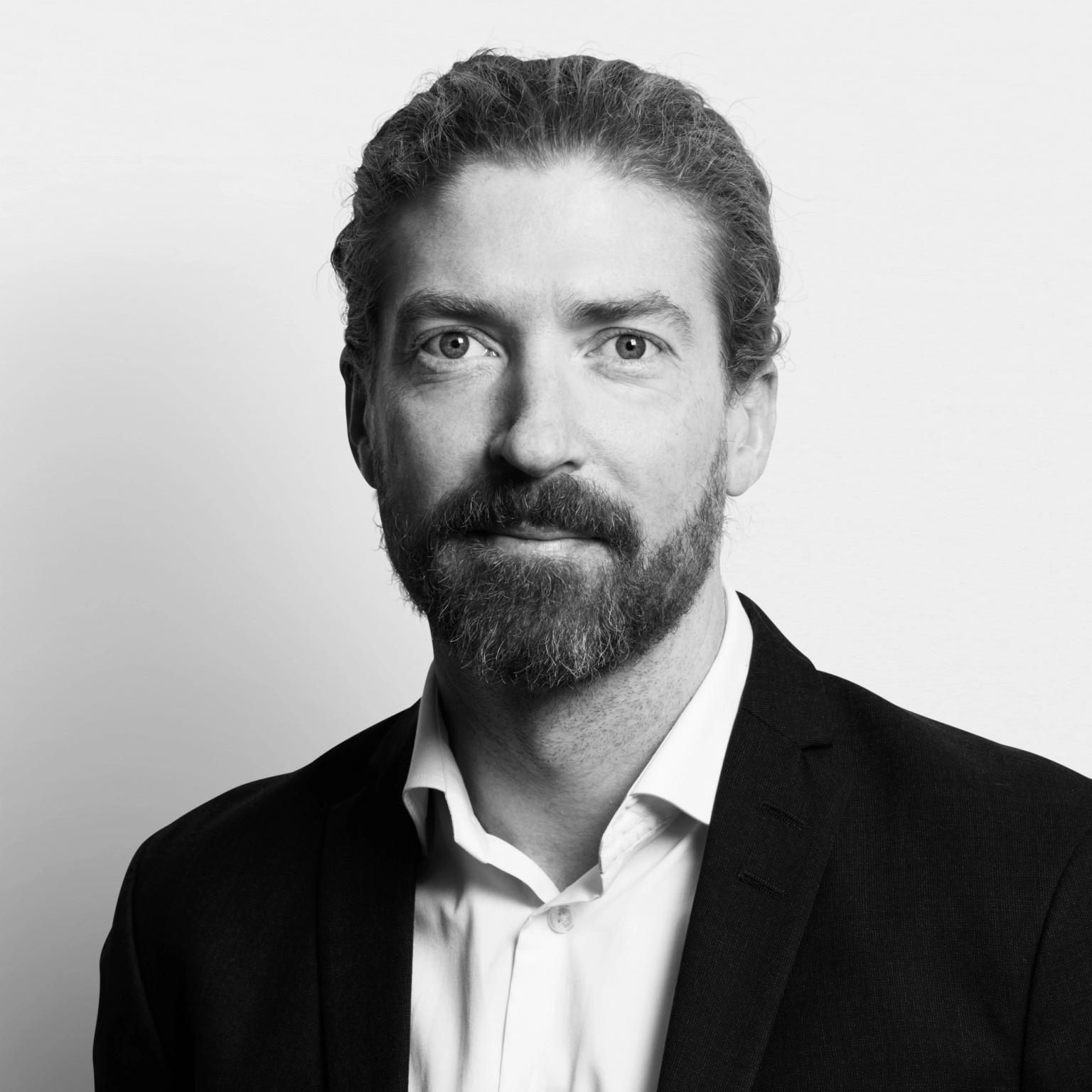

Phil specialises in strategy consulting with a focus on sustainability, especially climate mitigation and the circular economy. Phil’s experience spans sustainability strategy, ESG due diligence, GHG inventory calculation, sustainability reporting and SFDR/EU Taxonomy alignment assessment. He brings broad sector experience, working with investors and companies in manufacturing, retail and consumer products, technology, healthcare, energy as well as non-profit organizations.
Phil has co-authored perspectives on climate change reporting in private markets, as well as potential opportunities for companies inspired by the circular economy. He has direct experience with circular economy technologies, having been strategy & business development lead for a circular technology for end-of-life textiles, and now a board member for SemperCycle, a circular technology for end-of-life mixed plastic waste.
Phil’s consulting experience also spans strategy and transformation advisory, where he has worked with global companies in consumer products and manufacturing, as well as energy, healthcare and financial services. Before joining The Footprint Firm, Phil was associate partner at Bain & Company in the carbon transition and circular economy practice. Prior to Bain & Company, Phil was a Senior Associate for Pacific Strategy Partners for 3 years, before which he was a Senior Consultant at PwC for 6 years, both based in Australia.
Phil holds a Bachelor or Commerce from the University of Melbourne, majoring in Finance and Accounting. He was admitted to the Institute of Chartered Accountants in Australia in 2011. He completed the GRI Standards Certificate in 2019.