Decarbonisation & transition
Decarbonisation and transition
The climate transition is accelerating, and businesses need a clear plan to keep up. As climate risks intensify and regulation tightens, companies are under increasing pressure to act. But with the right strategy, the shift to a low-carbon economy becomes a driver of innovation, resilience, and long-term value.
We help organisations turn climate ambition into action
We help organisations build solid data foundations, identify high-impact decarbonisation levers, and embed credible, science-aligned plans into the heart of the business. With 100+ engagements across industries and company sizes, we bring deep expertise, including in complex areas like consolidated groups, FLAG sectors (Forest, Land and Agriculture), and private equity.
GHG inventory development
We support companies in developing transparent, robust GHG inventories aligned with the Greenhouse Gas Protocol and leading sector standards. Covering Scope 1, 2, and 3 emissions, we ensure data is accurate, consistent, and ready for third-party verification.
We use our proprietary GHG inventory tool, built in accordance with the GHG Protocol, to strengthen the data foundation and enable continuous improvement over time. This includes facilitating the transition from spend-based to activity-based data, making it easier to identify reduction opportunities and guide effective decarbonisation efforts.
Our approach combines 80/20 logic, sector insight, and a strong business mindset to focus efforts where they matter most.
Science-aligned target setting
We guide companies through the full Science Based Target initiative (SBTi) journey, from commitment and target development to submission, validation, and communication. We ensure that targets are ambitious, achievable, and grounded in the latest climate science, helping businesses stay ahead of market and regulatory expectations.
Climate transition planning
We develop integrated Climate Transition Plans (CTP) that connect ambition with execution. This includes assessing reduction levers, quantifying the business case, sequencing initiatives, and embedding the plan into governance and strategy. We also address risk management and stakeholder engagement, ensuring the plan is both credible and actionable.
The result: a clear path forward that drives real emissions reductions, creates value, and positions your business for success in a low-carbon economy.
Our featured cases in decarbonisation & transition
- DSBabout ?overlay=dsb




DSB
GHG inventory and SBTi target setting and application
- Decarbonisation & transitionabout /services/decarbonisation-and-transitionDecarbonisation & transition
- Lyngsoe Systemsabout ?overlay=lyngsoe-systems



Lyngsoe Systems
Developing a sustainability strategy and leveraging sustainability commercially for logistics software and systems player
- Value creation & commercialisationabout /services/value-creation-and-commercialisationValue creation & commercialisation
- Decarbonisation & transitionabout /services/decarbonisation-and-transitionDecarbonisation & transition
- Microsoftabout ?overlay=microsoft




Microsoft
Creating sustainability impact for their customers
- Decarbonisation & transitionabout /services/decarbonisation-and-transitionDecarbonisation & transition
- Value creation & commercialisationabout /services/value-creation-and-commercialisationValue creation & commercialisation
- Navigare Capitalabout ?overlay=navigare-capital



Navigare Capital
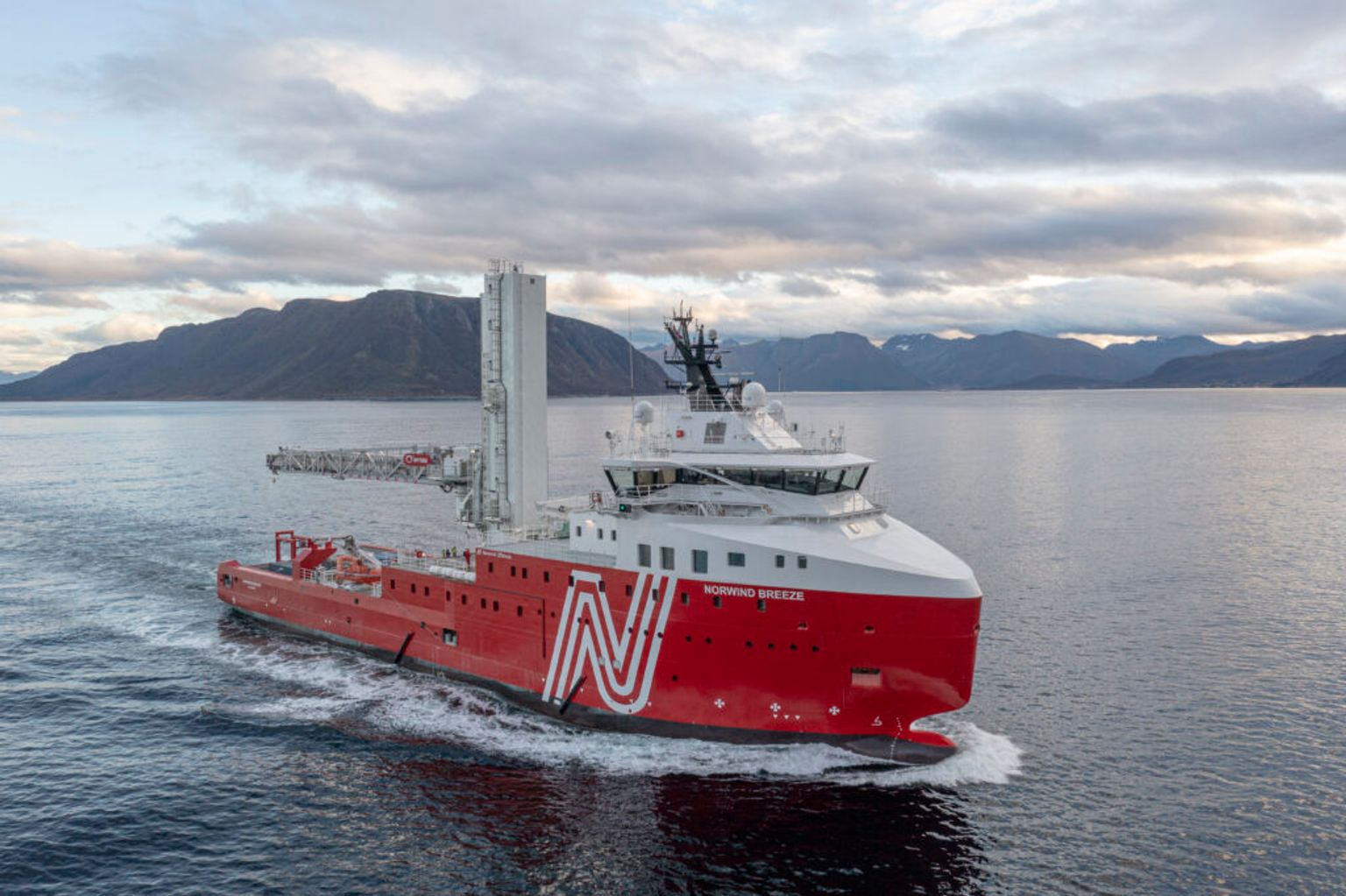
Sustainability strategy and execution for fund manager of maritime assets
- Biodiversity & nature impactabout /services/biodiversity-and-nature-impactBiodiversity & nature impact
- Decarbonisation & transitionabout /services/decarbonisation-and-transitionDecarbonisation & transition
- Telia Denmark about ?overlay=telia-denmark




Telia Denmark
Scope 1-3 baseline, sustainability strategy & target setting for large Telco player
- Decarbonisation & transitionabout /services/decarbonisation-and-transitionDecarbonisation & transition
- Sustainability disclosuresabout /services/sustainability-disclosuresSustainability disclosures
- Tivoliabout ?overlay=tivoli




Tivoli
Full Scope 1-3 GHG baseline
- Decarbonisation & transitionabout /services/decarbonisation-and-transitionDecarbonisation & transition


“We enable organisations to approach decarbonisation with purpose, building a robust data foundation, aligning targets with science, and crafting pragmatic transition plans that are an integrated part of business strategy.”
Explore our full range of services supporting every step of the sustainability journey
- Private equity and investors
- Strategy and value creation
- Reporting and regulation
- Nature and resources
- Climate
We support investors across the full investment cycle, from fund strategy and impact priorities to Due Diligence, ownership and exit. Our work helps embed sustainability and impact throughout, unlocking long-term value and stronger outcomes.
- Sustainable fundsabout /services/sustainable-fundsSustainable funds
- Private equity servicesabout /services/private-equity-servicesPrivate equity services










Explore our full range of services supporting every step of the sustainability journey
We support investors across the full investment cycle, from fund strategy and impact priorities to Due Diligence, ownership and exit. Our work helps embed sustainability and impact throughout, unlocking long-term value and stronger outcomes.
- Sustainable fundsabout /services/sustainable-fundsSustainable funds
- Private equity servicesabout /services/private-equity-servicesPrivate equity services
DSB
GHG inventory and SBTi target setting and application
DSB is Denmark’s national railway operator, transporting over 450,000 passengers daily across the country. With a long-standing commitment to climate leadership, including a target of CO₂-neutral operations (scope 1 and 2) by 2030, DSB partnered with us to take the next step: understanding and reducing emissions across their full value chain through scope 3 mapping and Science-Based Targets.


Services
- Decarbonisation & transitionabout /services/decarbonisation-and-transitionDecarbonisation & transition
Industries
- Transport
The project
DSB had already been tracking and targeting emissions from their direct operations. To strengthen accountability and expand their climate ambition, DSB set out to establish a complete scope 3 baseline, covering upstream and downstream value chain emissions. We were brought in to lead this process, from data mapping and methodology development to reduction planning and target setting aligned with the Science Based Targets initiative (SBTi).
Our approach
We calculated DSB’s full scope 3 GHG emissions in accordance with the GHG Protocol, identifying key emission sources across 15 categories and working closely with internal stakeholders to ensure data quality and relevance.
The resulting baseline was used to provide actionable recommendations on reducing value chain emissions, strengthening data collection processes, and setting ambitious, science-based reduction targets.
Building on this foundation, we supported the development of DSB’s near- and long-term targets in line with SBTi criteria and facilitated the submission of their official SBTi application.
The impact
Our work has enabled DSB to significantly advance their climate strategy by expanding their emissions accountability from operations to the full value chain.
With a robust scope 3 baseline and validated SBTi targets underway, DSB is now positioned to drive meaningful decarbonisation across its ecosystem and deliver on its ambition to lead the green transition in public transport.